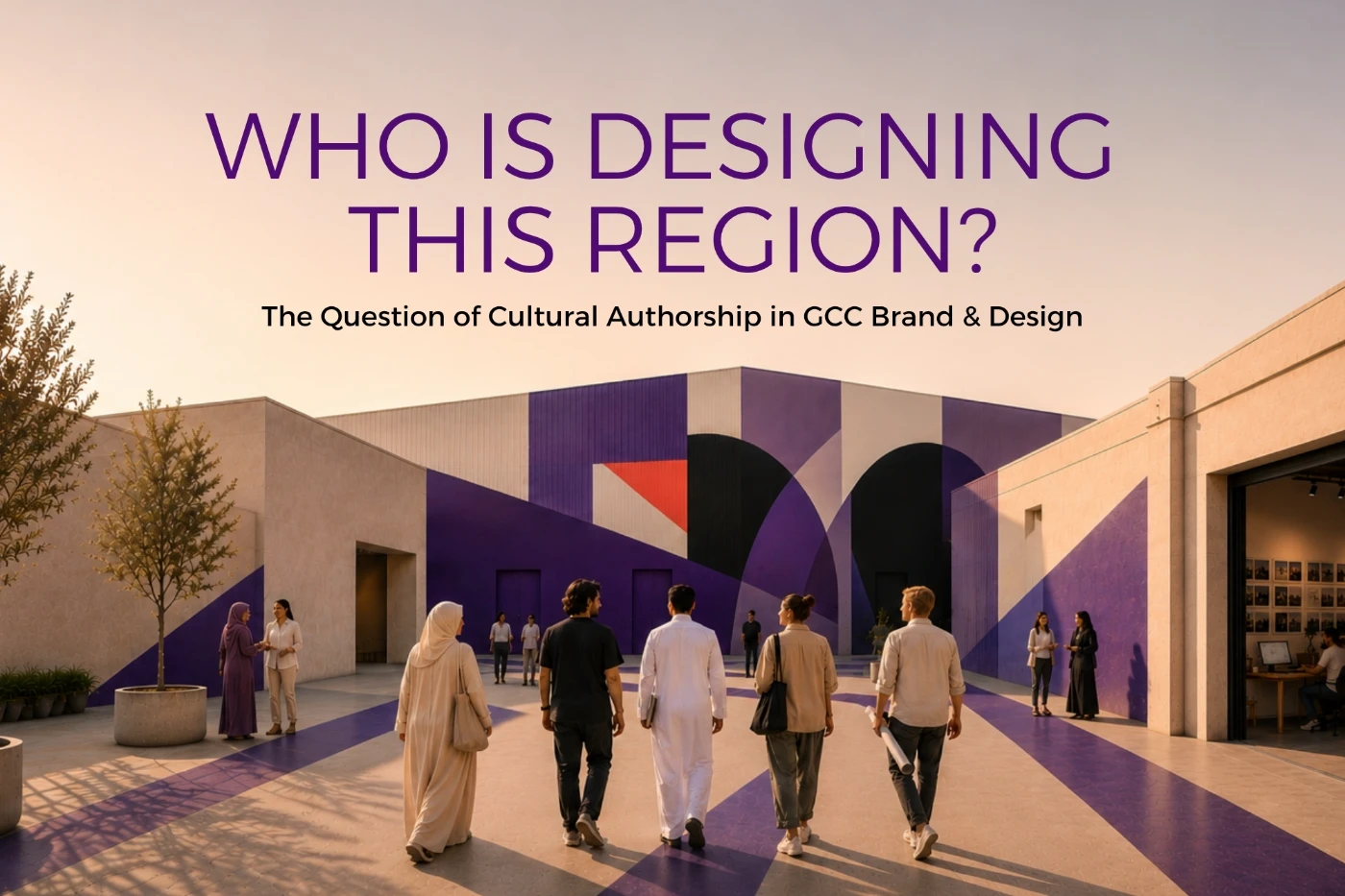
Who Is Designing This Region?
The question of cultural authorship in GCC brand and design & why it matters who holds the creative brief.
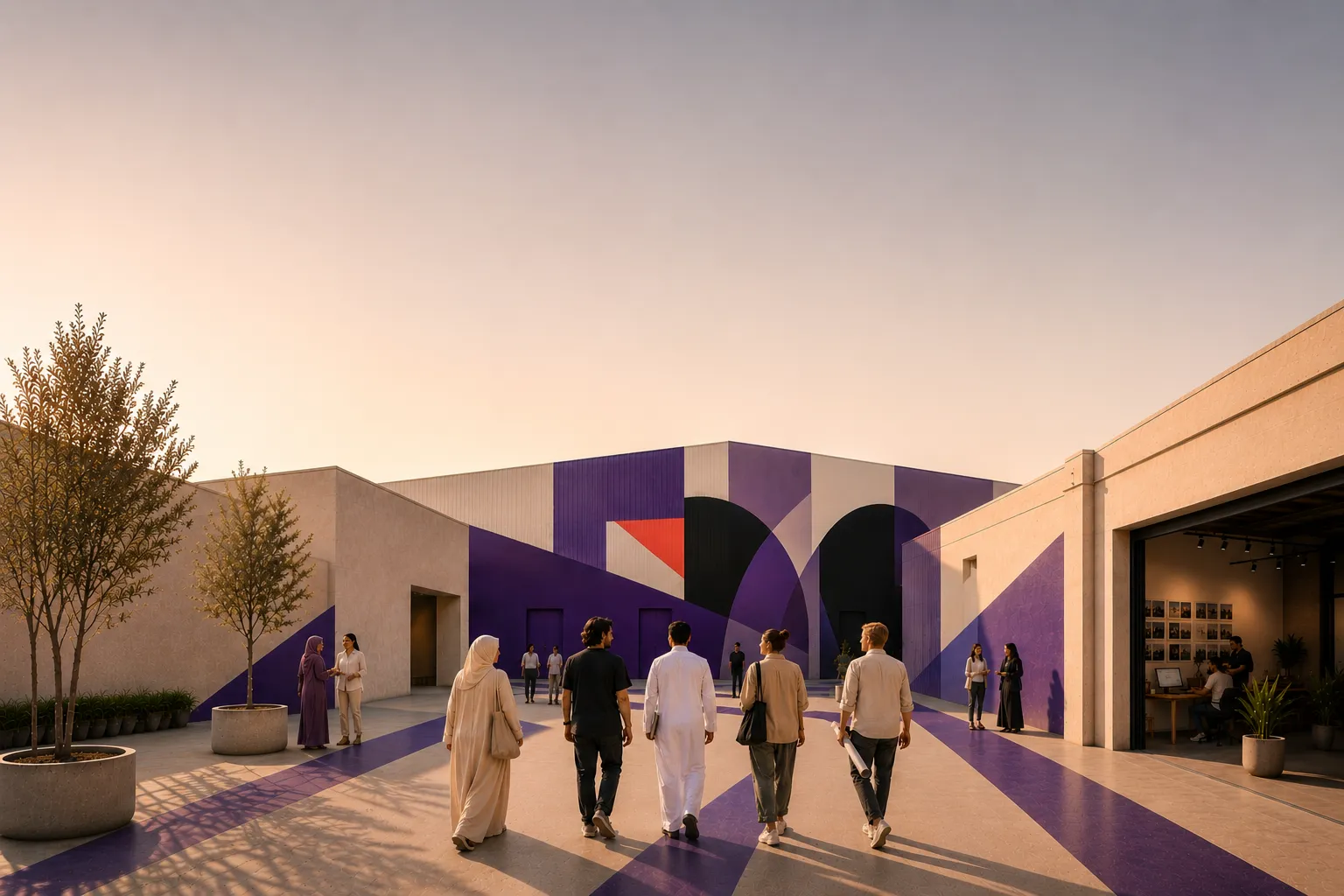
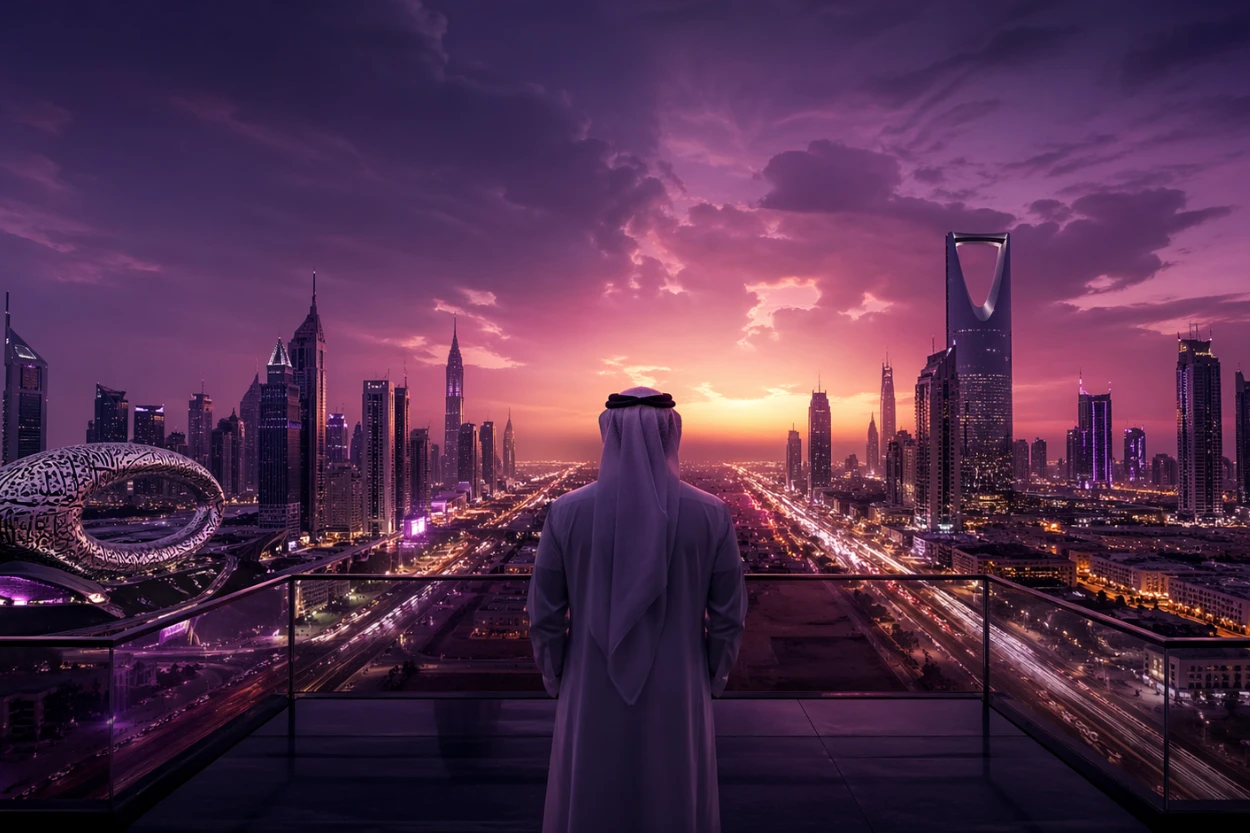
There are brands in this region older than the nations themselves. The GCC has spent decades building an identity culturally, commercially, and architecturally, and the pace is accelerating. In 2025, the total brand value of Saudi Arabia’s top 100 brands grew 14% to USD 116.8 billion, while the UAE’s top 50 grew 17% to USD 104.5 billion. The brands being built at this scale will carry that history forward for decades. Which makes the question of who holds the creative brief one of the most consequential decisions an organization in this region can make.
The default instinct, when a significant brief lands on a procurement table, is still to reach for an internationally recognized name. That instinct is understandable. Global agencies have deep portfolios and built reputations, and procurement is designed to manage risk. But what that decision optimizes for is perceived credibility shaped by geography and familiarity, not fit or track record.
The assumption underneath it, as Moe Elhossieny recently argued in It's Nice That, is that good design must come from elsewhere. Mature regional practice has learned otherwise. We have absorbed a great deal from Western expertise. We have also learned not to copy it, and to design instead for the audiences we are actually serving.
There is a deeper reason the bias persists. Most organizations approach a brand exercise as if they were buying an aesthetic outcome. A logo. A look. A campaign. When that is the lens, the decision shrinks to whichever agency name signals the highest visual prestige. The strategic depth of brand work gets compressed into a conversation about cost and timeline. The brief is written for execution, not transformation.

Perception is a stubborn thing. It clings to what was once true long after the reality has moved on. A decade ago, a Chinese-manufactured car was a difficult sell in most markets. Today, BYD, Jetour, and Rox are taking over showrooms across this region. They didn’t shift perception by arguing with it. They shifted it by being too good to ignore. The same shift is overdue in how this region thinks about its own creative work. Dubai and Riyadh are global cities now. The authority they carry across African and Asian markets is the same that London, New York, and Paris built over decades. The brand thinking being produced here isn’t a regional version of work happening elsewhere. It increasingly is the work.
Cultural fluency in that work lives in the details. A color and what it signals. How a model is dressed. A crease in a Shemagh. To someone outside this region, those are styling decisions. To the audience the brand is trying to reach, they reveal how seriously the brand takes them. The same applies to Arabic typography. Arabic is not a secondary consideration here. It is foundational. Brands that treat it as an adaptation at the end of the design process produce work that reads as exactly that.
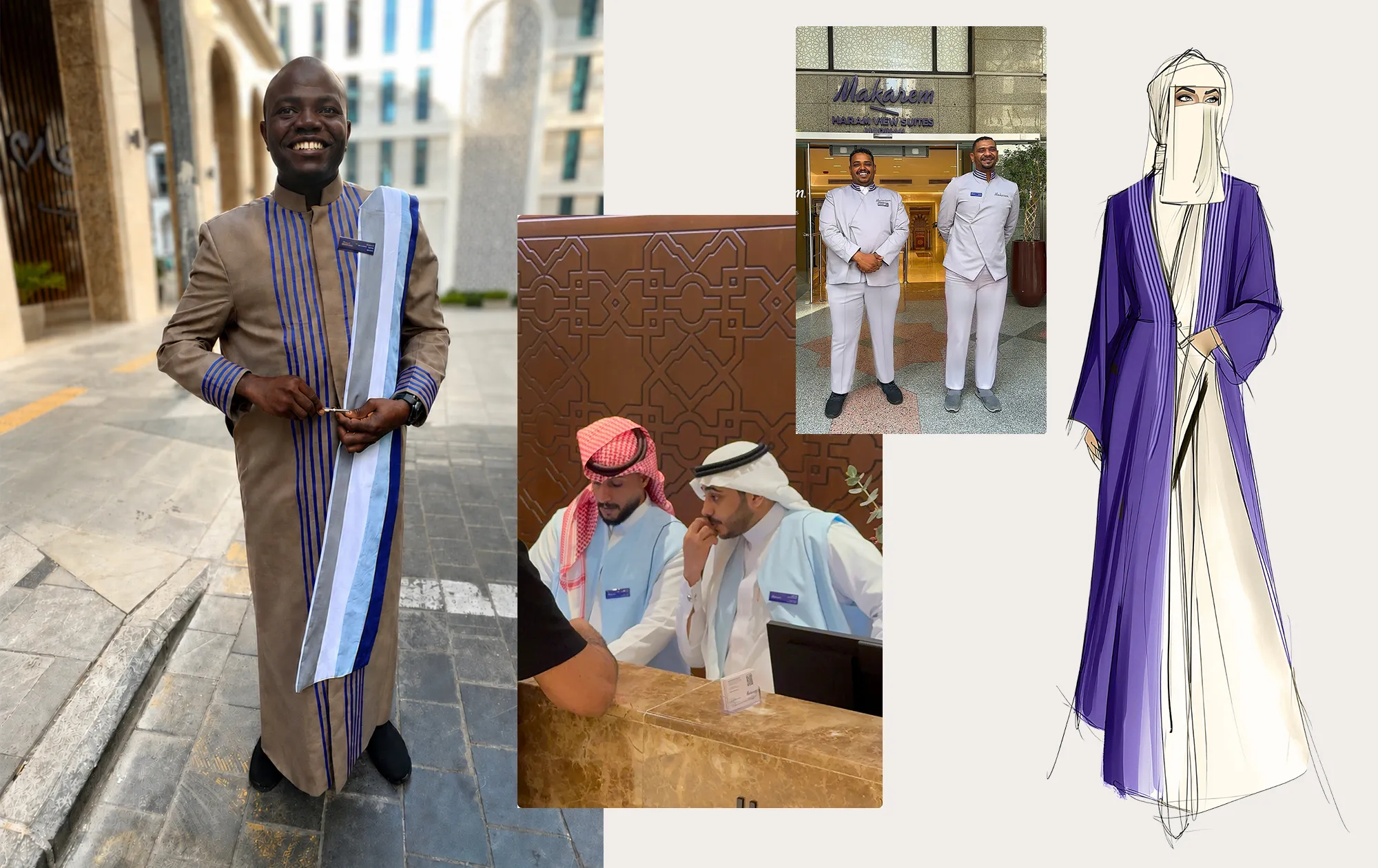
What changes when that kind of depth sits at the center of the brief from the start is everything. We spent three years repositioning Makarem Hotels, the first five-star hospitality brand born out of Makkah to serve the holy cities. We were carving out a category that didn’t yet exist, Spiritual Hospitality, and building a brand that could compete with the global hotel groups entering Makkah and Madinah without diluting what made it culturally specific. The work meant collaborating with a Saudi fashion designer on uniforms that honored the appropriate dress codes while carrying the brand identity. It meant developing a Shariah-compliant sonic identity for the lobbies and common spaces that still lifted the brand experience. These were decisions that could have gone wrong in countless ways. They went right because of the depth of research, the cultural guidance, and the proximity to context.
Explore the Makarem Case Study
The infrastructure to do this kind of work has never been more present in this region. Dubai was named the first UNESCO Creative City of Design in the Middle East in 2017, anchored by the Dubai Design District, Dubai Design Week, and Downtown Design. Saudi Arabia has built its own platform at JAX District in Diriyah. Underneath this is a design education foundation that has been quietly building for years. The Dubai Institute of Design and Innovation, the only university in the region dedicated exclusively to design, was built in academic partnership with MIT and Parsons School of Design. Combined with programs at the American University of Sharjah, Zayed University, and VCU Arts Qatar, and the decades of creative heritage arriving from Lebanon and Egypt, what you have is not an emerging scene. It is a mature one.
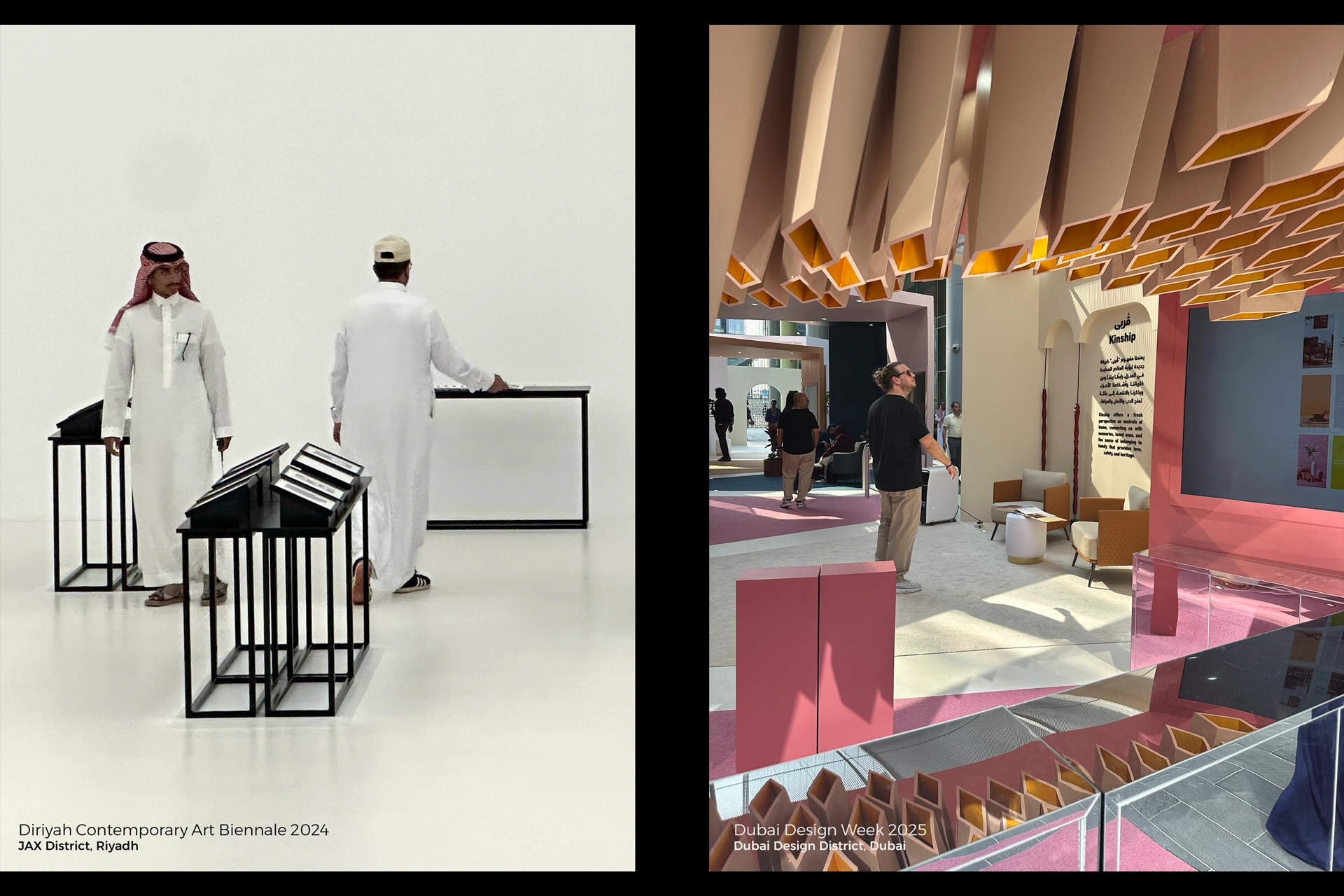
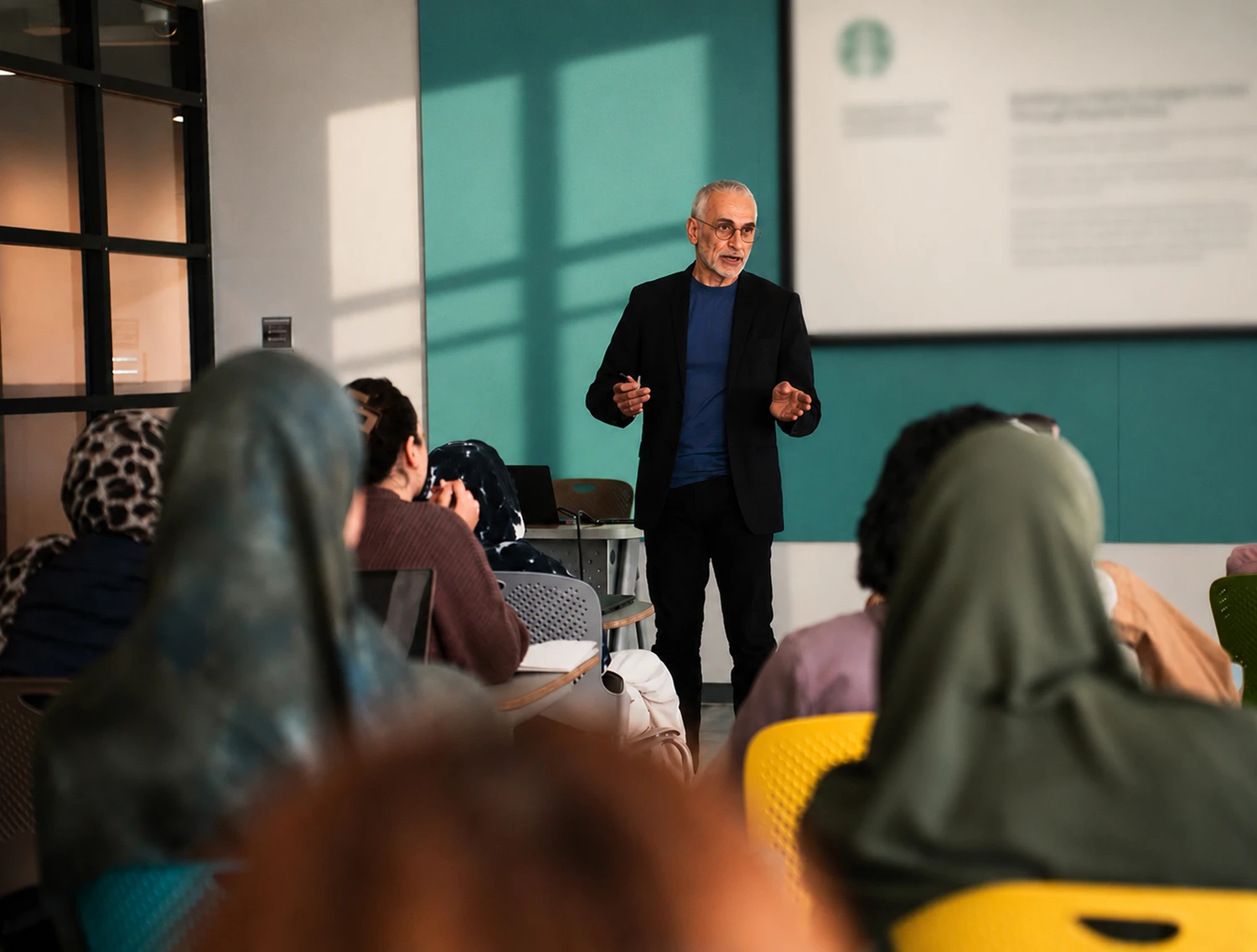
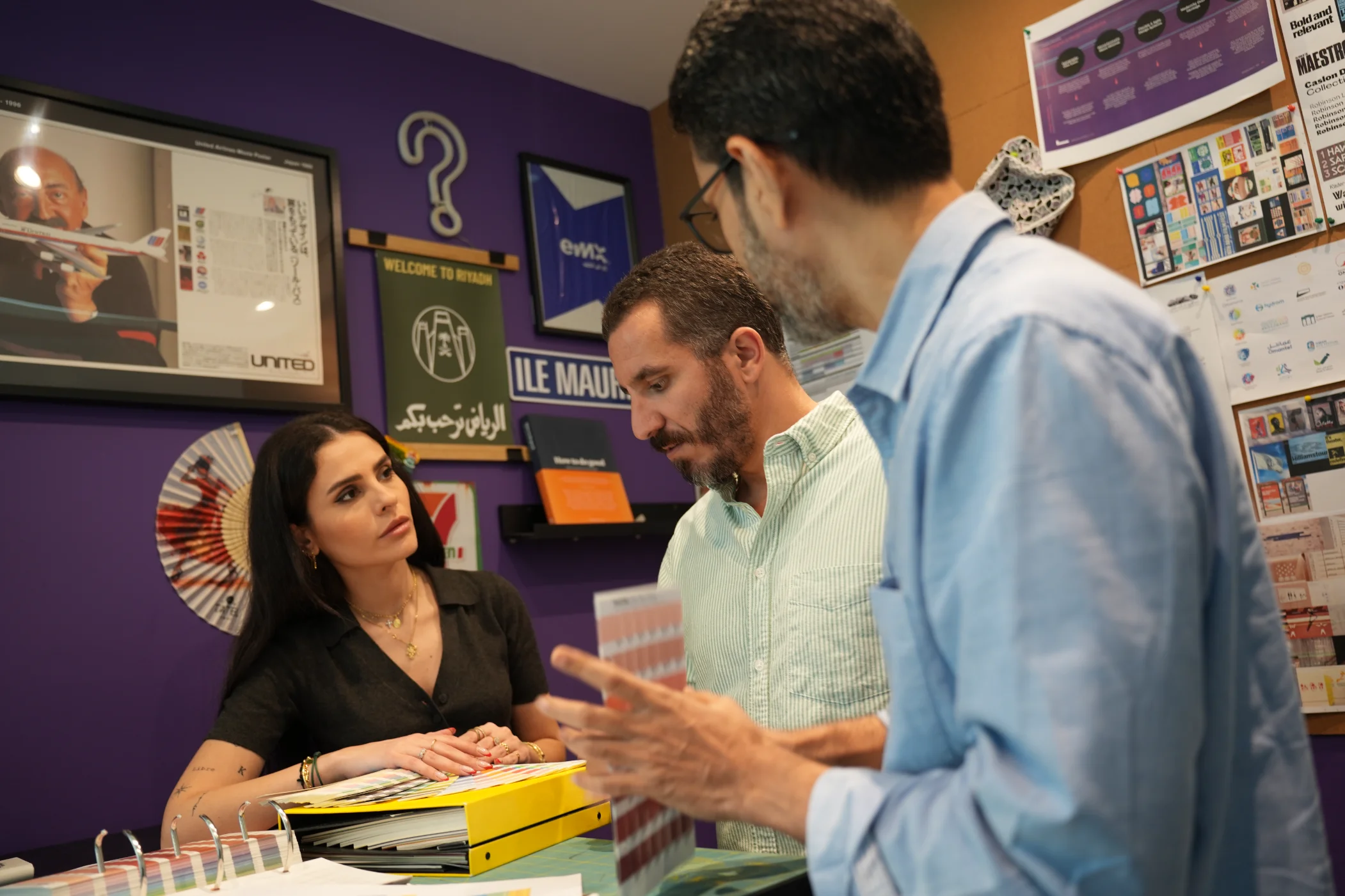
What this region requires though is the right intelligence before the right aesthetic. Human insight drives everything: how a brand is positioned, what it says, how it behaves, and how it looks. Cultural behavior, consumer sentiment, social dynamics, these are not research slides to be reviewed remotely. They are shifting conditions best read from inside them. The agencies best positioned to do this work approach it as consultants, not executors. An executor produces what was asked for. A consultant challenges the brief and reframes it.
That distinction shows up in who clients choose when conventional logic would point them elsewhere. We worked on Charles Zuber, a Swiss luxury watch brand with a Swiss and French executive team and an Emirati investor. By conventional logic, the brief should have gone to a European studio more versed in luxury and watchmaking. The client came to us because we could demonstrate a deeper understanding of how luxury actually works in this market. The work went on to win a Grand Prix.
Explore the Charles Zuber Case Study
Proximity in this region isn’t just about time zones, though those matter. It’s the ability to sense what is shifting in this market before it shows up in a brief. The other thing proximity makes possible doesn’t show up in any credentials deck. The relationships. The best client work happens when there is closeness. When the client can pick up the phone. When the agency can be on a flight or a drive away. When the language and the rhythm of how business is done are understood without translation. Clients here treat partnership the way they treat family. That is not a soft observation. It is a structural advantage that compounds over the life of a brand.
The region is being designed at a speed it has never seen before. The most important question for anyone issuing a creative brief right now is not which agency has the most recognizable name. It is whether the brief itself is asking for the right thing. The brands that will define this region’s next decade will be built on foundations, not on logos. The question is whether the people writing the briefs know to ask for that.

Latest News & Insights
.webp)

.webp)


.webp)

.webp)
Our Practices
Through strategy, design, culture, and innovation, our practices are built to create brands with meaning.