The Amenity Nobody Lists
Dubai has built the world’s most persuasive market for how people want to live. Now, the brands behind the buildings are becoming part of what people buy.
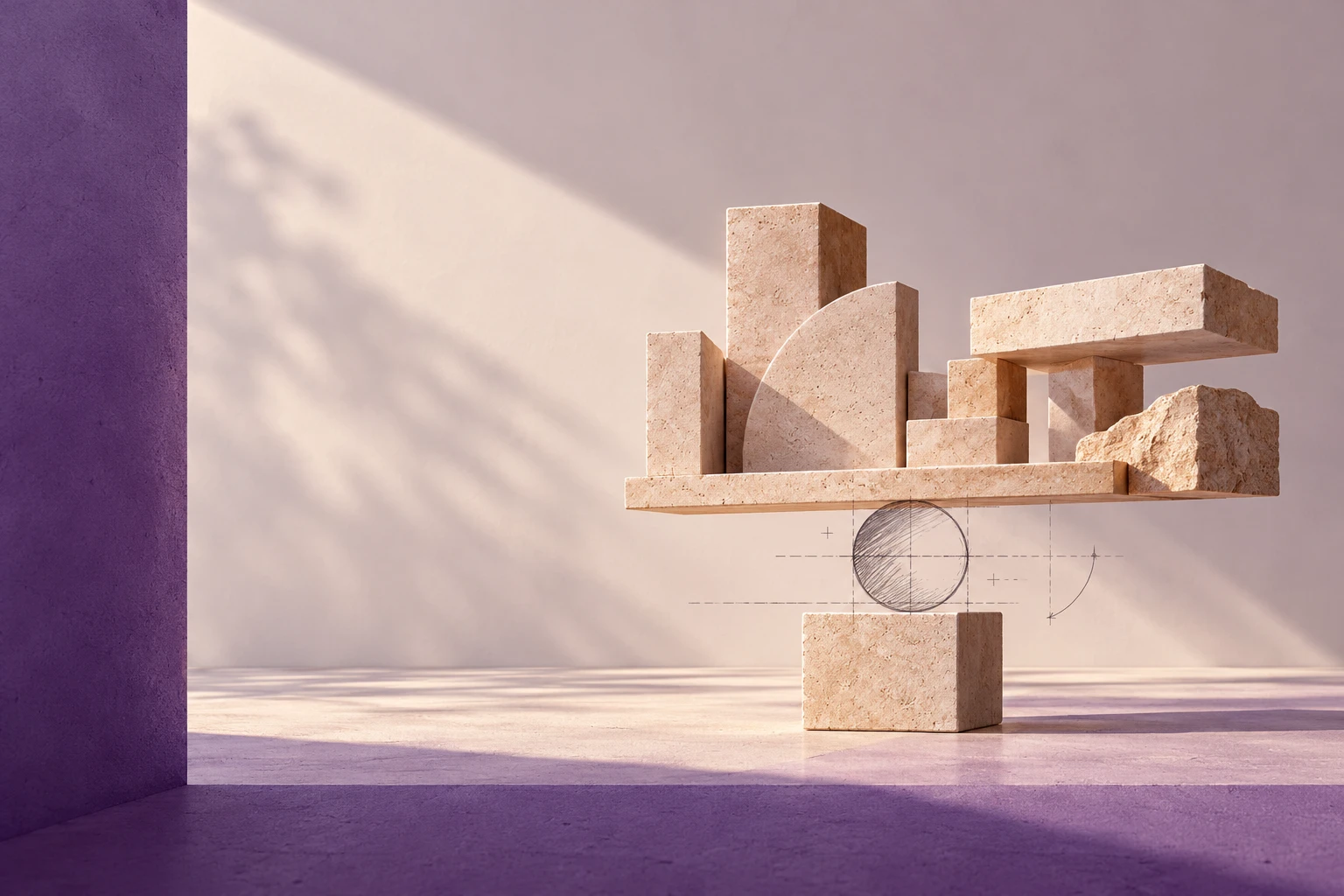
Nowhere sells the idea of a life better than Dubai. In two decades the city has turned a place into a product with a precision that other markets study and rarely match.
A development here is launched as a complete proposition, from the view to the pace of the day, and the numbers show how well it works.
A year that tested the region
This was a year that tested the market hardest since the pandemic. Regional tensions in late February reached the Gulf, and Dubai felt it: weekly transaction values fell by close to half in March, and listed developers lost around a fifth of their value in under two weeks. By April the market had recovered. Prices returned to where they had been, mortgage activity surged and off-plan sales reached their highest levels of the year. The quarter closed as the strongest first quarter on record for Dubai real estate.
Over the first half of 2026, Dubai recorded 87,800 residential transactions worth AED 291.7 billion, 71% of them off-plan. In the same period, branded residences commanded a 56% premium per square foot over comparable unbranded homes, well above the global norm, even as their volumes eased. The IMF’s July assessment put it plainly: the UAE economy showed substantial resilience, and residential prices held at or above 2025 levels.
That recovery was built on trust in Dubai: its institutions, its infrastructure and its record of keeping commitments under pressure. The same trust now sits inside every individual transaction, and the developer is the party being asked to carry it.
Two forces. One gap.
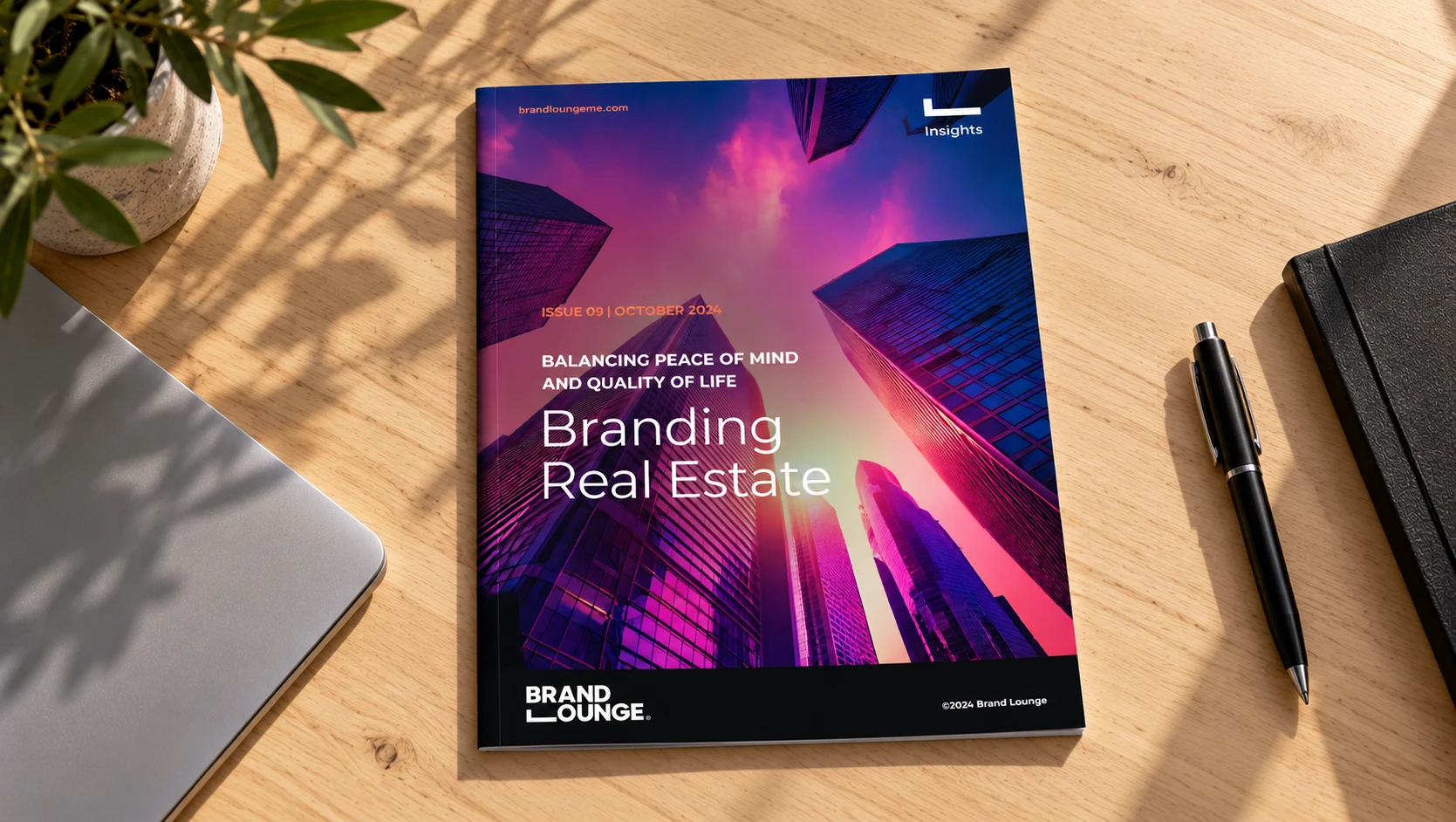
When we published Branding Real Estate, we described two forces behind every property decision. One is emotional, the quality of life a place promises. The other is rational, the peace of mind that comes from trusting the brand behind it. Dubai has mastered the first. The two figures above point at the second. When seven in ten homes are bought off-plan, the purchase rests on trust in the developer before it rests on anything else, and the premium paid for a trusted name shows what that trust is worth.
Seven in ten homes in Dubai are bought before a wall is standing, which means that the developer is the promise
People here buy most of their homes before they exist, and they pay more when a trusted name is attached. In a premium market dominated by off-plan purchases, confidence in a developer is worth more than ever. And yet, it is still the least articulated part of the sale.
This is a consequence of how the market grew, not a failing. Developers built their reputations project by project, and their projects carried them. Each launch earned its own following and the developer behind it could let the work speak. In a rising market, that was a sound choice. But in a market that has been so sorely tested, where people now weigh geopolitical risks and payment structures alongside views and finishes, the brand behind the project is part of what they are buying.
Peace of mind is harder to express than quality of life.
Peace of mind lives in the terms of the contract, in whether a delivery date is met, if the finished product matches the brochure, or how a developer behaves when something goes wrong. Developers who make that visible at every level, ahead of any single launch, hold an advantage that grows with every project they deliver.
There are Four Dimensions of Differentiation, but two are still open.
Our report proposed four dimensions along which lasting brands differentiate themselves:
- Purpose: Why the brand matters - not only to its customers but also to its community and the wider world.
- Culture: What matters to the brand. How its people behave when no one is watching
- Experience: How it delivers what matters - to the market and to its customers.
- Innovation: How it builds differently, and will continue to matter in the future.
Dubai’s developers are world-class on Experience and increasingly strong on Innovation. Purpose and Culture are where the space remains, and these are the two dimensions that will deliver Trust.
One developer’s answer
Zimaya Properties chose to build on exactly that ground. A founder-led company building value-engineered homes across Dubai, Zimaya entered the market with a brand built on confidence, with the conviction that trust is something a developer builds through fair terms, generous layouts and promises kept. Its Purpose, We build places of integrity that make elevated living accessible, carries a double meaning by design: integrity in how the company deals, and integrity in how its buildings stand. Three principles - Craft, Care and Clarity - turn the idea into a working standard, from the drawing of a floor plan to the wording of a contract to the honesty of a render.
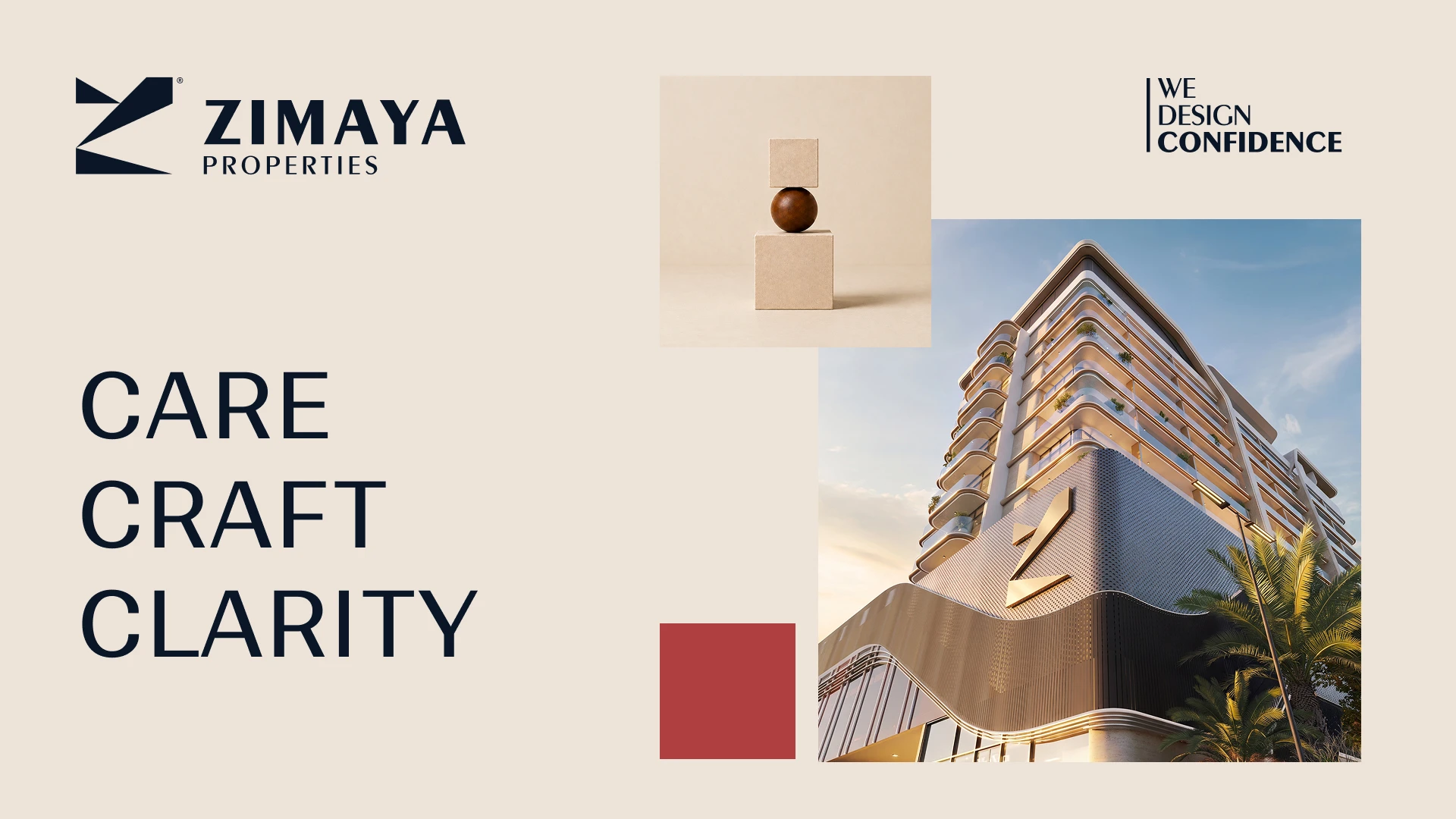
Seen through the Four Dimensions of Differentiation, the choice holds together. Purpose is stated rather than implied. Culture is the evidence for the position rather than an internal matter. Innovation is value engineering with a point of view, deciding where money goes so that quality lands where it is felt. Experience is handled with restraint: a quiet bilingual wordmark, a deep navy blue, photography built around the three principles of Craft, Care and Clarity.
A brand built on peace of mind gave the business peace of mind.
The part we find most telling is what happened after we handed the brand over. Zimaya took the brand to market itself, into its own offices and sales spaces, onto billboards across the city and onto the floor at IPS Dubai. Their signature, We Design Confidence, travelled without an agency behind it, which is what a brand built on rational dimensions is supposed to do.
The third question
Our report closed on a question that has only sharpened since: no longer “where do people need to live?”, but “how do they want to live?”
After this year, we would add a third. Who do they want to trust?
Dubai has answered it at the city level. The developers who answer it at the brand level will command the premium that the market is now willing to pay.
Explore the full Zimaya case study.
Download the Branding Real Estate report.

Latest News & Insights



Our Practices
Through strategy, design, culture, and innovation, our practices are built to create brands with meaning.